


Pathways to dignified work and brighter futures.
What’s the problem?
According to Uganda’s National Planning Authority, an estimated 4.2 million young people in Uganda are currently not in education, employment, or training, representing approximately 41 percent of the youth population. More recent analysis suggests that as many as 50.9 percent of youth aged 18–30 fall within this category, placing Uganda among the countries with the highest youth disengagement rates in Sub-Saharan Africa.
Young women, refugees, and youth living in rural communities are disproportionately represented within this population. Many have left school early due to conflict, poverty, or family responsibilities and lack access to structured pathways that would allow them to return to education, gain marketable skills, and transition into employment or entrepreneurship.
What’s the project?
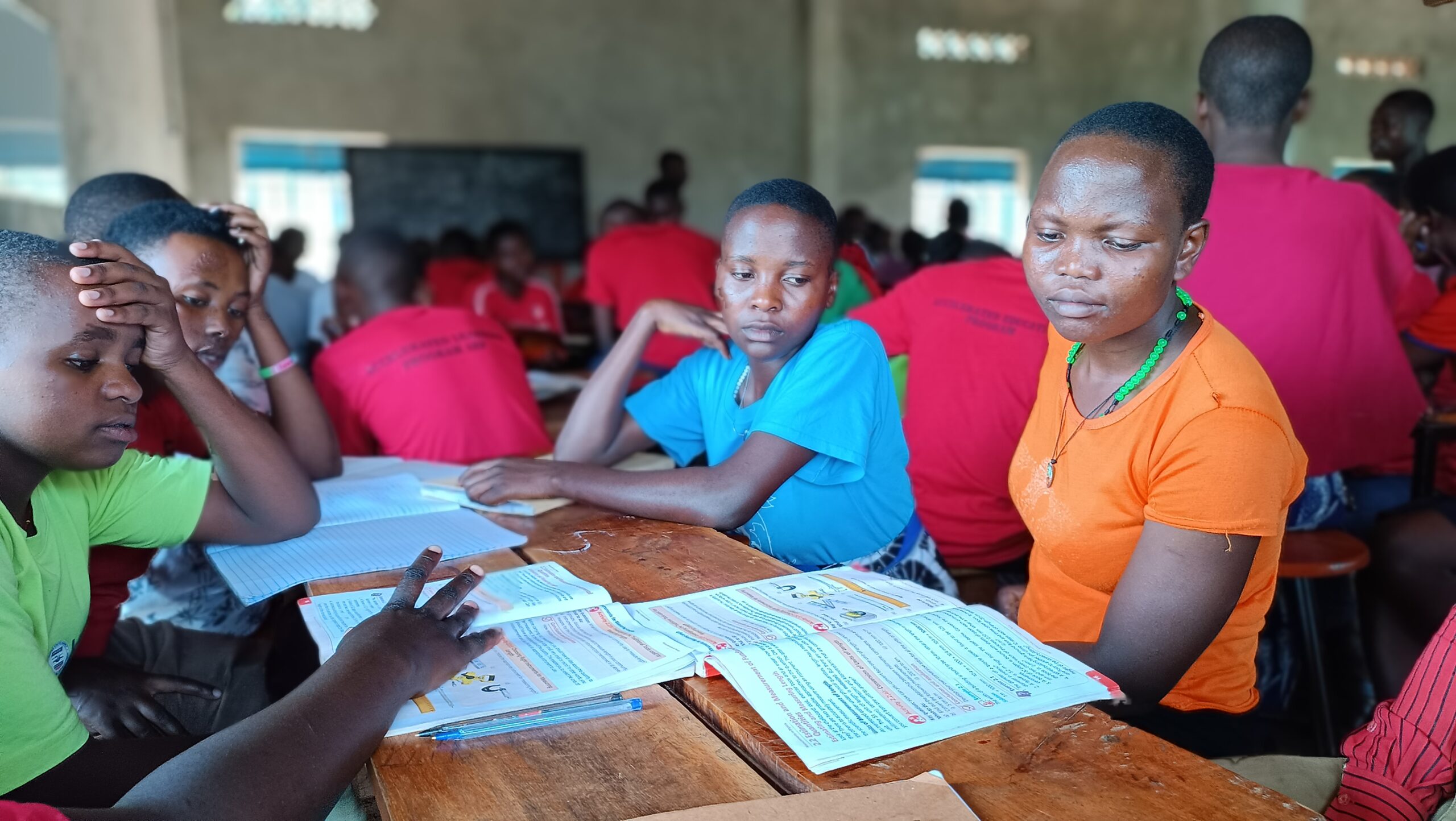
Bridge: From Secondary Education and Skills Development to Job Opportunities for Refugee and Host Community Youth in Uganda project, implemented by War Child Canada in partnership with the Mastercard Foundation, was designed specifically to address these gaps by reconnecting young people to education, skills development, and economic opportunity. By combining accelerated learning, technical training, entrepreneurship support, and partnerships with local institutions, the program helps young people who were previously excluded from opportunity re-enter education and transition into work.
Findings from the mid-term review show that:
- Youth participation in work increased from 25 percent at baseline to 77 percent at mid-term.
- Youth reporting dignified and fulfilling work increased from 32.8 percent to 47.3 percent.
- Youth resilience increased from 9 percent to 40 percent.
- 76 percent of youth report improved well-being as a result of the program.
The BRIDGE program is helping young people in Uganda move from education to employment, with a focus on refugees, young women, and other marginalized youth.
Through accelerated learning, more than 11,000 young people have returned to secondary education, including the first cohort now entering university. The program has also supported 18,735 youth with skills training and helped 14,225 transition into work, contributing an estimated USD $2.7 million to the Ugandan economy.
So far, BRIDGE has supported 69,500 youth. Inclusion is central to the program: 56% of participants are young women, and 2,835 persons with disabilities are currently supported through the program.
BRIDGE strengthens education-to-work pathways through innovative approaches, including accelerated learning centres embedded within secondary schools, community-led initiatives that encourage girls’ education, and partnerships with local organizations to build long-term capacity.
The program is also helping shape national education systems through its collaboration with Uganda’s Ministry of Education and Sports and the National Curriculum Development Centre, supporting the development of accelerated education curricula and national learning standards that will benefit young people for years to come.
Reclaiming formal education despite extraordinary challenges
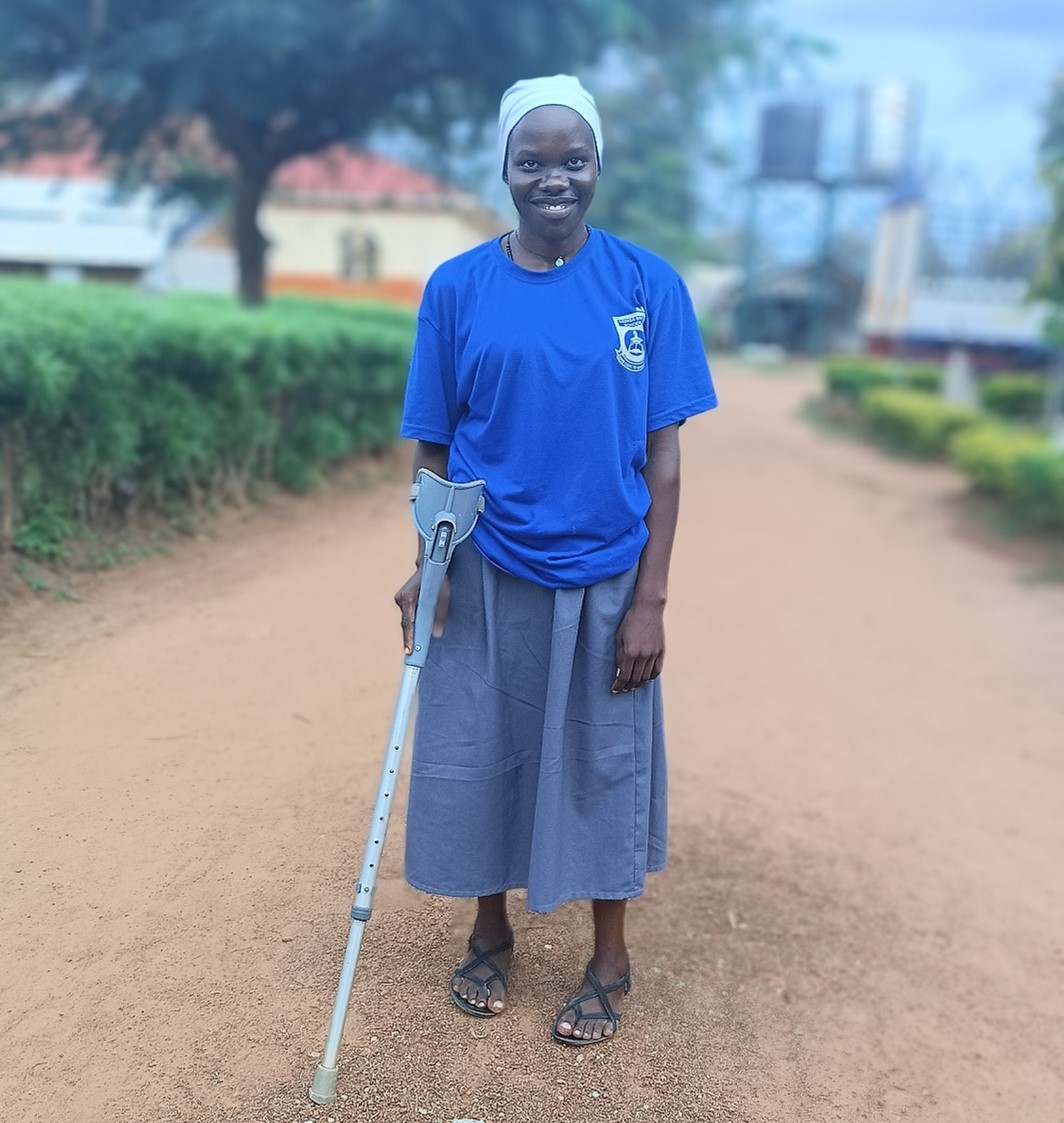
Janelle, a 23-year-old refugee from South Sudan living in Uganda’s Yumbe district, is reclaiming her dream of formal education despite extraordinary challenges. Forced to flee conflict in 2016, Janelle endured displacement, disability caused by a rare illness, and the loss of financial and emotional support when her mother returned to South Sudan. Her determination led her to War Child’s Bridge Project, in partnership with the Mastercard Foundation, which awarded her one of 537 scholarships to continue her secondary education. Now studying at Aringa Secondary School, Janelle is one of hundreds of young people with disabilities supported through the program, which prioritizes inclusion and opportunity for marginalized young people. Although her disability redirected her career goals from nursing to nutrition, Janelle remains focused on building a meaningful life and helping others. Her story highlights the critical role of education in restoring dignity, hope, and economic potential for refugee youth. The Bridge Project continues to transform futures by equipping young people like Janelle with the tools to overcome adversity and pursue a brighter future.

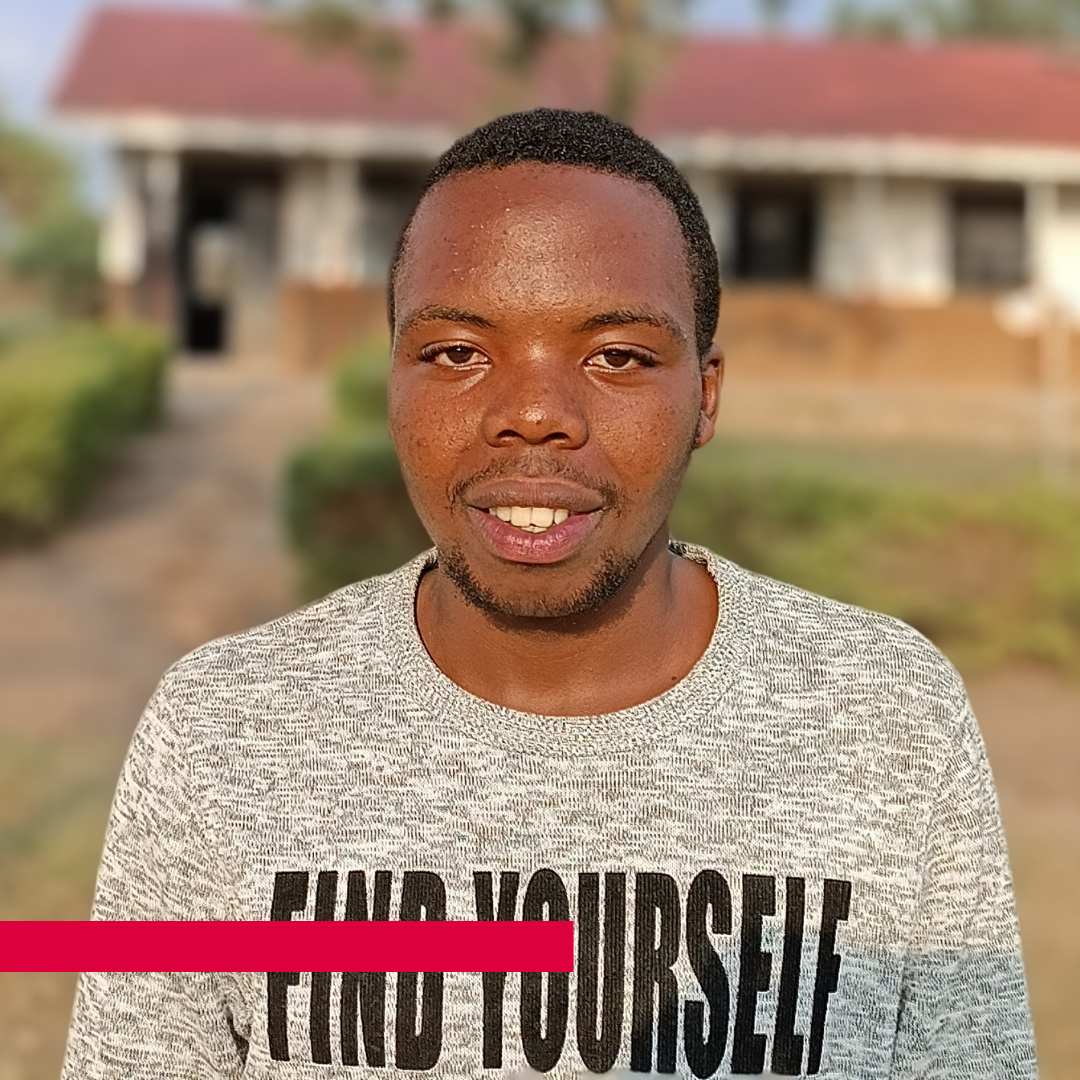
Bright
Accelerated Learning Program
Vocational skills, training, and opportunity can reshape lives
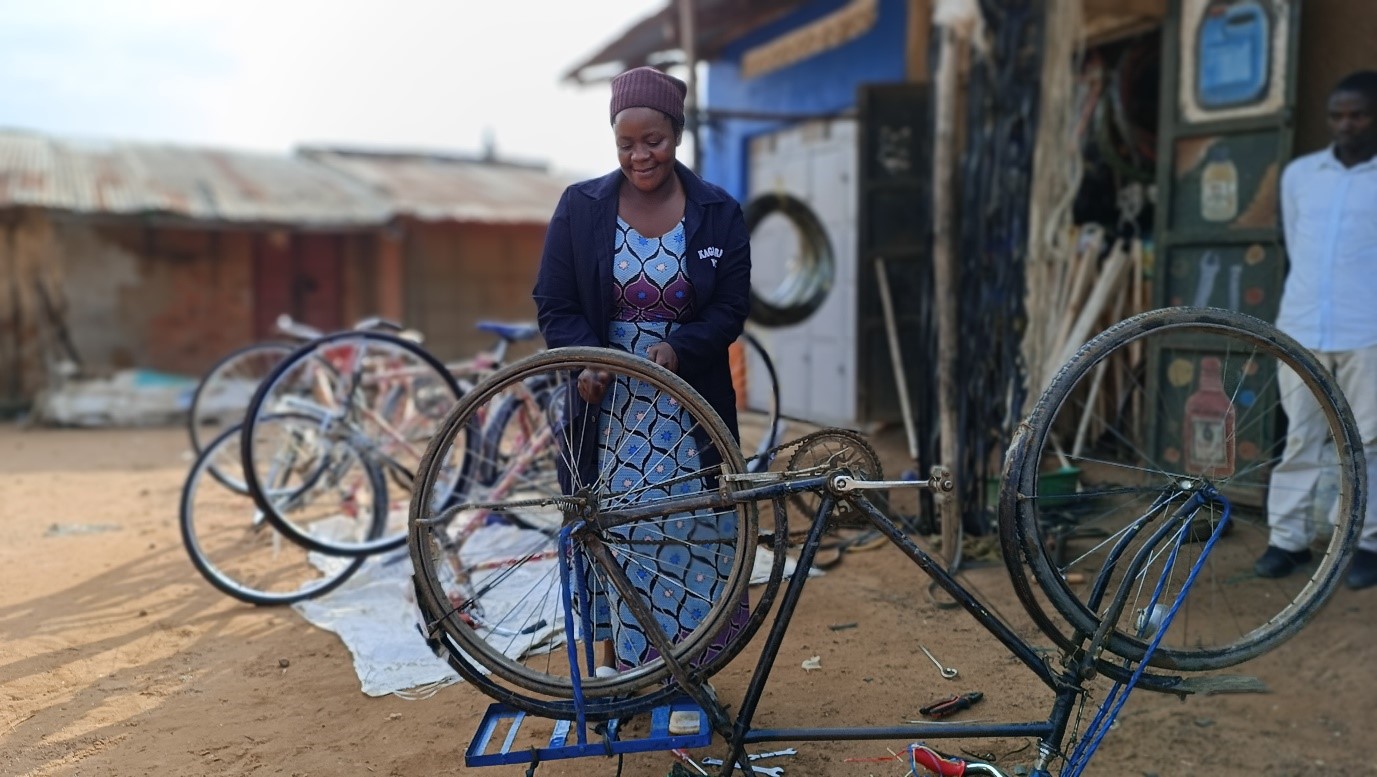
Denise, a refugee from the Democratic Republic of Congo, found her purpose and income in an unexpected place—bicycle repair. After relocating to Uganda in 2019 with her three children, Denise explored various female-centric trades but only felt truly fulfilled when she began learning to fix bicycles. Despite initial skepticism, her skills and determination quickly earned the trust of her community. Through War Child’s apprenticeship program through BRIDGE Project, Denise trained in bicycle mechanics, expanding her expertise and gaining the confidence to grow her business. She now earns a steady income, supporting her family and building toward her goal of opening a spare parts shop. Denise’s story highlights how non-traditional vocational skills, when supported with practical training and opportunity, can empower women and reshape livelihoods in refugee communities.